

We often hear about the terms mobility and flexibility and although they are related they are slightly different concepts.
Do you know the difference between the two?
Mobility refers to your ability to move a joint through its full range of motion with control and stability. It involves not just the muscles, but also the surrounding ligaments, tendons, and joint structures. Flexibility, on the other hand, focuses on muscle and tissue elasticity and the lengthening of muscles to improve the range of motion around a joint.
Both these factors interact to support overall movement.
While flexibility can contribute to improved mobility, mobility encompasses a broader aspect of movement quality and control. Working on both can help enhance overall movement capabilities and reduce the risk of injuries.
Sedentary lifestyles and the natural aging process can contribute to the decline of flexibility and mobility. It is important to stay active throughout life and practicing yoga helps maintain these qualities and mitigate their decline.
Why is it important?
Maintaining good mobility can help prevent injuries. When joints move well and muscles are strong, the risk of strains, sprains, and other injuries decreases. Poor mobility can lead to injuries, especially in athletes.
Flexibility and mobility are essential for daily tasks and activities. These qualities impact things like bending, lifting, reaching, and even simple tasks like tying shoelaces.
Certain sports and exercises require a greater range of motion, and having good flexibility and mobility can improve performance in these activities.
Maintaining qualities of mobility and flexibility can significantly improve quality of life, reduce fall risks, and allow for more independent living.
Examples of yoga poses for mobility
Cobra

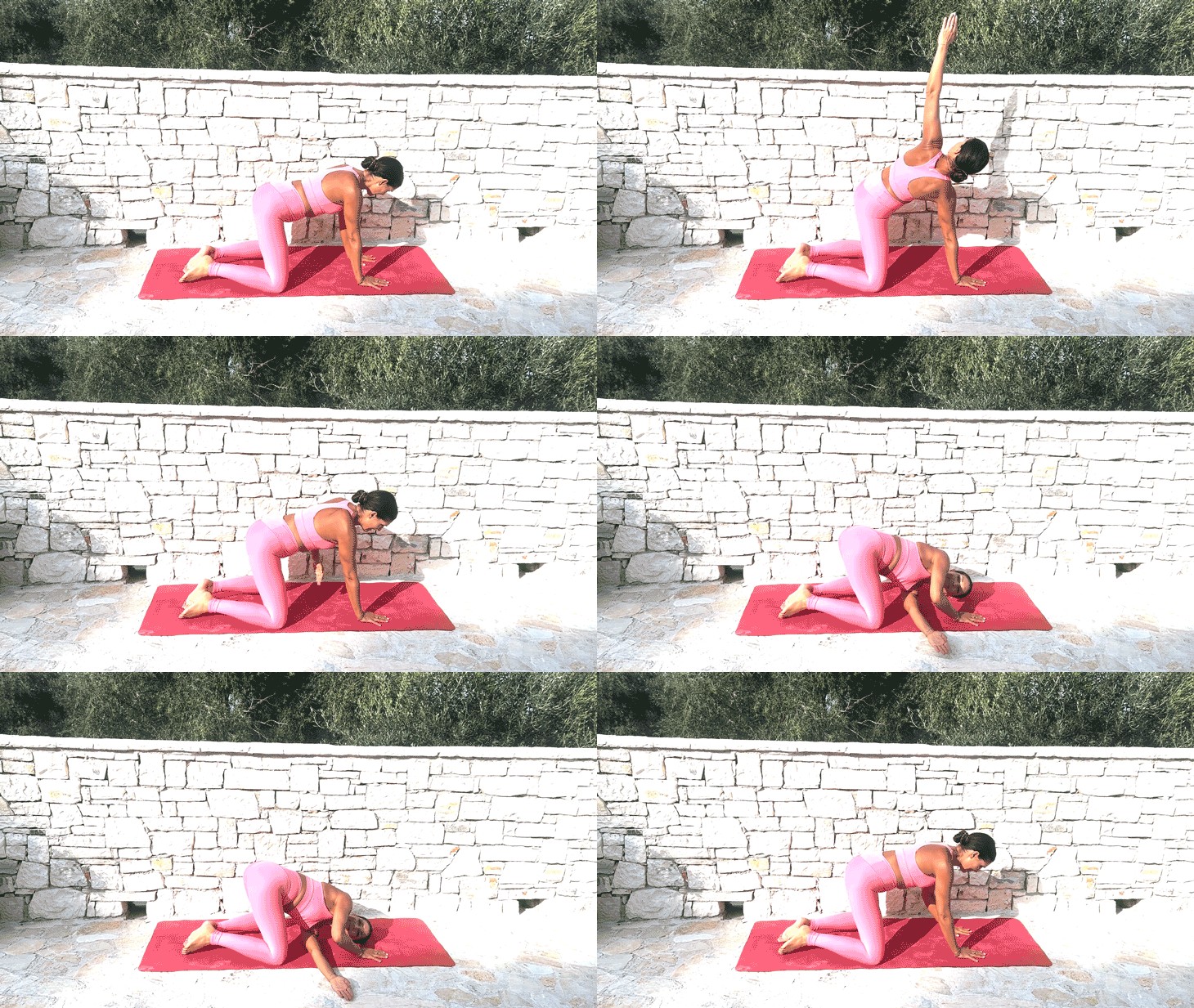
Thread the needle
Examples of yoga poses for flexibility
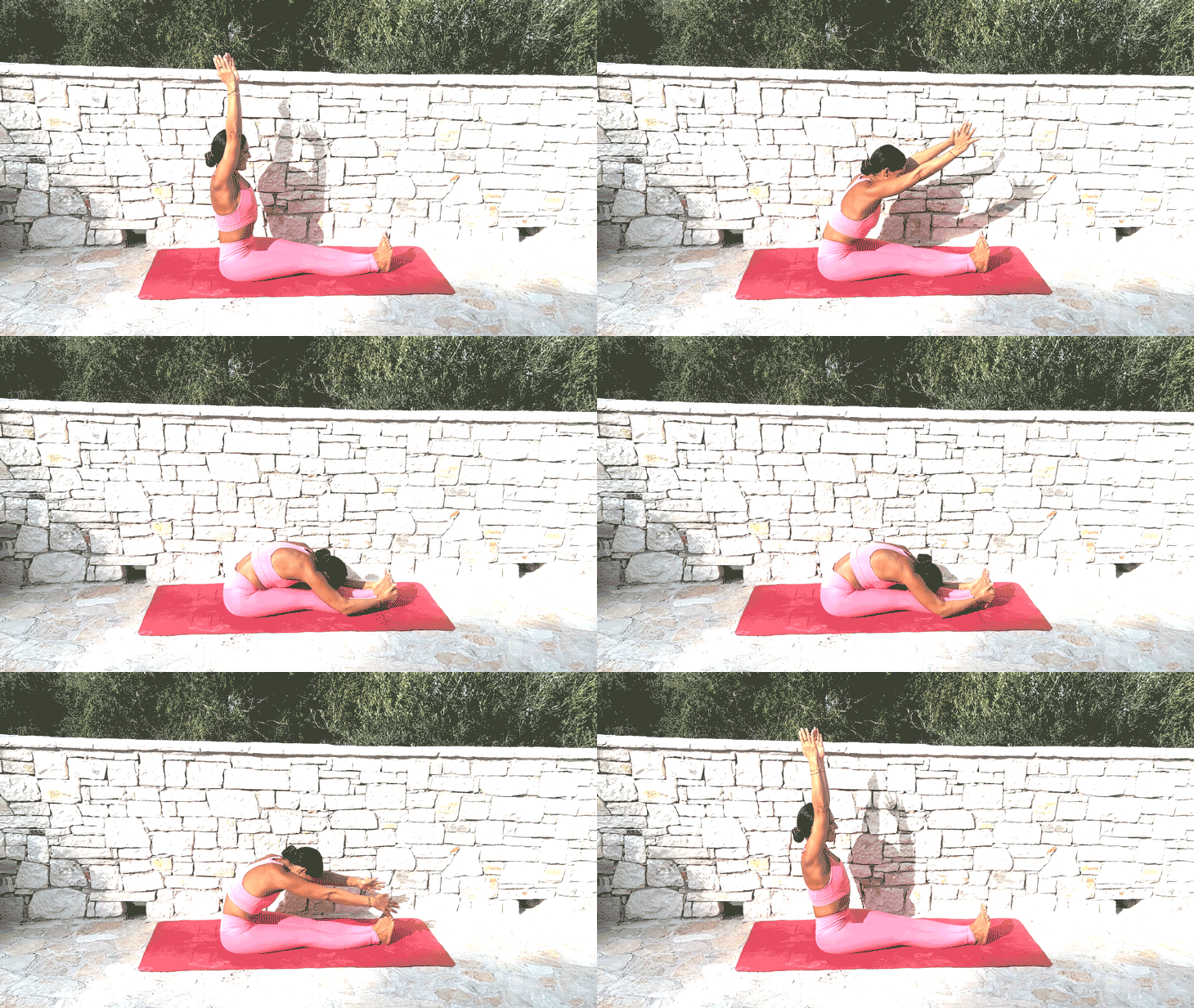
Seated forward bend
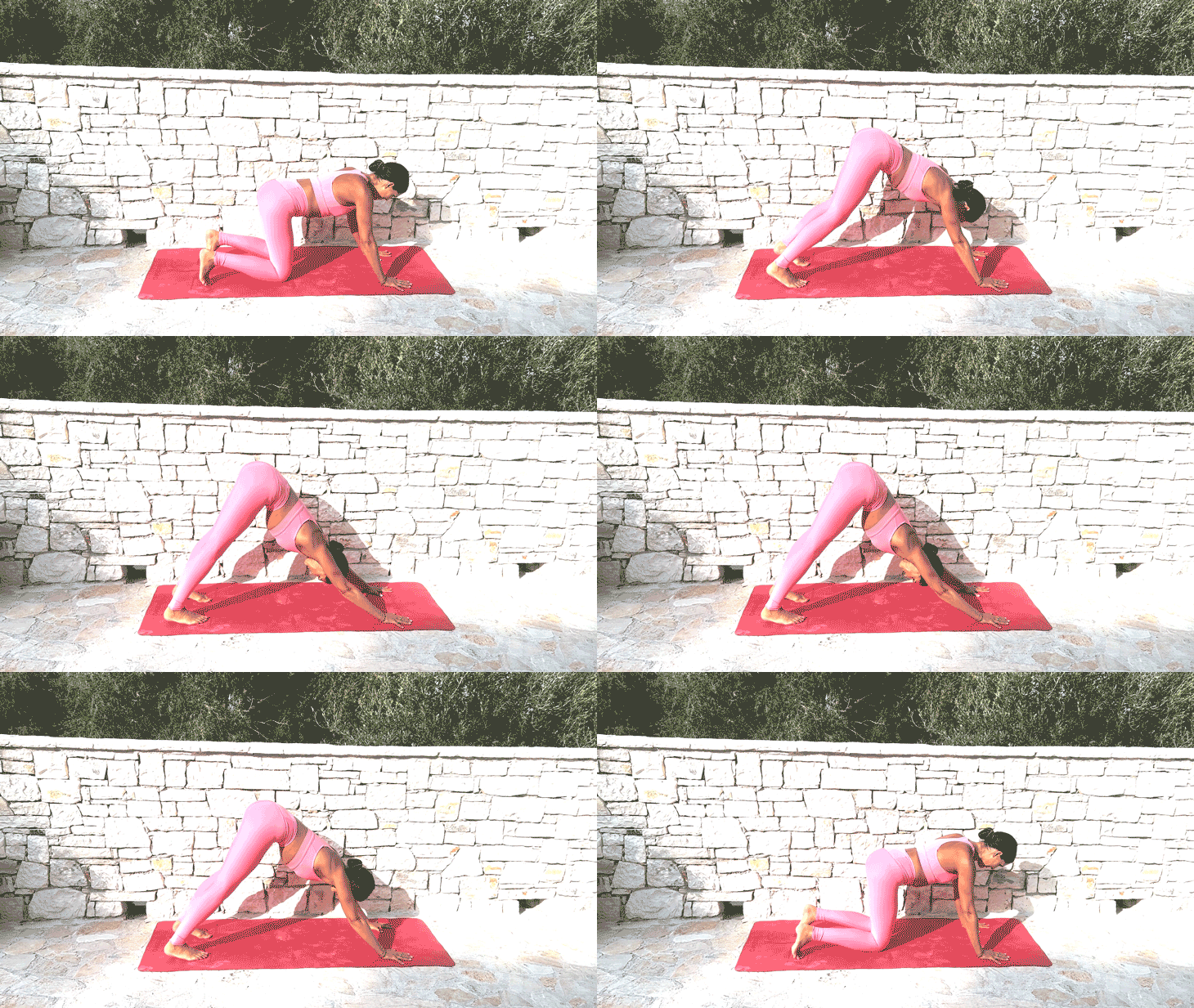
Downdog